
Batt Insulation in Alhambra, CA
Energy-Saving Batt Insulation for Alhambra, CA Homes — Licensed & Insured
Need batt insulation in Alhambra, CA? Alhambra Insulation Masters offers expert installation, removal & replacement. Call (626) 790-7419 for a free estimate.
Batt insulation is one of the most widely used and cost-effective insulation solutions available for residential and commercial properties. Consisting of pre-cut panels or rolls of fibrous material — typically fiberglass or mineral wool — batt insulation is designed to fit snugly between wall studs, floor joists, and ceiling rafters, creating a thermal barrier that keeps conditioned air where it belongs.
In Alhambra, CA, where summer temperatures regularly climb into the upper 90s°F and the San Gabriel Valley’s unique microclimate creates year-round energy challenges, properly installed batt insulation is not a luxury — it is a necessity. Alhambra’s dense stock of mid-century homes, many built between the 1940s and 1970s, often lack adequate insulation by modern standards, leading to inflated utility bills and uncomfortable living spaces.
Read moreShow less
At Alhambra Insulation Masters, we specialize in delivering professional batt insulation installations tailored to the specific structural and climatic demands of our community. Call us today at (626) 790-7419 to schedule your free assessment.
Understanding Batt Insulation
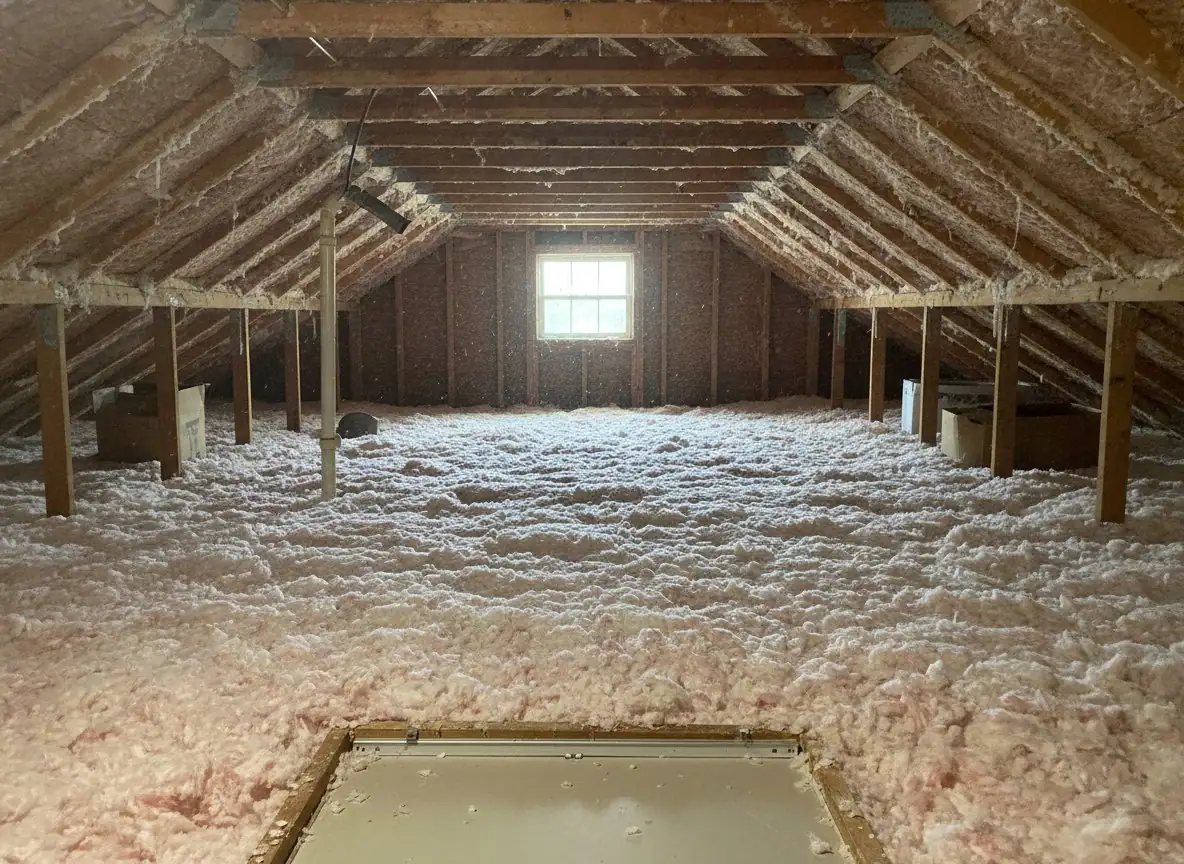
Batt insulation — sometimes called blanket insulation — consists of flexible panels or rolls manufactured from materials such as fiberglass, mineral wool (rock wool or slag wool), or natural fibers like cotton and sheep’s wool. The material works by trapping microscopic air pockets within its fibrous matrix, slowing the transfer of heat between the interior and exterior of a building.
The effectiveness of any insulation product is measured by its R-value, a standardized rating that quantifies thermal resistance. Higher R-values indicate greater insulating performance. For Alhambra and the broader San Gabriel Valley region, the U.S. Department of Energy places the area in Climate Zone 3, which recommends R-13 to R-15 for exterior walls, R-30 to R-60 for attic spaces, and R-19 to R-25 for floors over unconditioned crawl spaces.
Read moreShow less
Historically, batt insulation became the dominant residential insulation method in Southern California during the post-World War II housing boom of the late 1940s and 1950s. Tract housing developments spread rapidly through communities like Alhambra during this era, and fiberglass batt was the material of choice due to its low cost, ease of handling, and compatibility with standard 2×4 wood-frame construction.
Modern batt products have evolved significantly. Today’s high-performance fiberglass batts achieve R-15 within a standard 3.5-inch wall cavity, while mineral wool batts offer superior fire resistance (rated to approximately 1,800°F), better sound attenuation, and improved moisture resistance — qualities that address specific challenges found in Alhambra’s older housing stock.
Batt insulation is applicable across nearly every building type found in Alhambra: single-family bungalows, Spanish Colonial Revival homes, apartment complexes, and mixed-use commercial structures. Whether your property is a 1930s Craftsman near Almansor Park or a 1970s apartment building along Valley Boulevard, batt insulation can be retrofitted or newly installed to dramatically improve energy efficiency and interior comfort.
Understanding the correct product, R-value, and installation technique for your specific building type is essential — and that is precisely where professional expertise makes all the difference. Learn more about our professional insulation installation services
Signs You Need Batt Insulation in Alhambra
Energy and Comfort Indicators
- Monthly energy bills that exceed the Southern California Edison average for Alhambra — roughly $180 to $220 per month for a 1,500 sq. ft. home — particularly during July and August
- Rooms that feel 5°F or more warmer or cooler than adjacent spaces, indicating missing or compressed insulation in shared walls
- HVAC system running continuously during moderate temperatures (85°F to 90°F) rather than cycling off periodically
- Cold floors during winter mornings in rooms over uninsulated crawl spaces
Physical and Structural Symptoms
- Visible gaps, sagging, or displaced batt material visible in attic spaces
- Dark streaking or staining on existing fiberglass batts — a sign of air infiltration pulling particulates through the insulation
- Insulation that appears flat and matted rather than fluffy, indicating compression below design thickness
- Musty odors in wall cavities or attic spaces, suggesting moisture-damaged batt material
Urgency Indicators
- Visible rodent nesting within existing batt insulation (common near Alhambra’s older alleyway-adjacent properties)
- Batt insulation older than 20 to 25 years that has never been replaced or inspected
- Recent attic or crawl space water intrusion that saturated existing batt panels
Learn about our insulation removal and replacement services if your existing insulation is damaged
Free, no-obligation estimates
Talk to Alhambra Insulation Masters
Tell us what you need and we’ll take it from there.
Our process
Our Batt Insulation Installation Process in Alhambra
Our team follows a systematic, proven process developed specifically for Alhambra’s diverse housing stock. Here is what you can expect when you work with Alhambra Insulation Masters:
- 01
Free On-Site Assessment (1–2 Hours)
We begin with a thorough inspection of your property, using thermal imaging cameras and blower door test data to identify thermal gaps, air leakage points, and moisture problem areas. For Alhambra’s pre-1978 homes, we specifically check for knob-and-tube wirin
- 02
Removal of Existing Damaged Insulation (2–4 Hours)
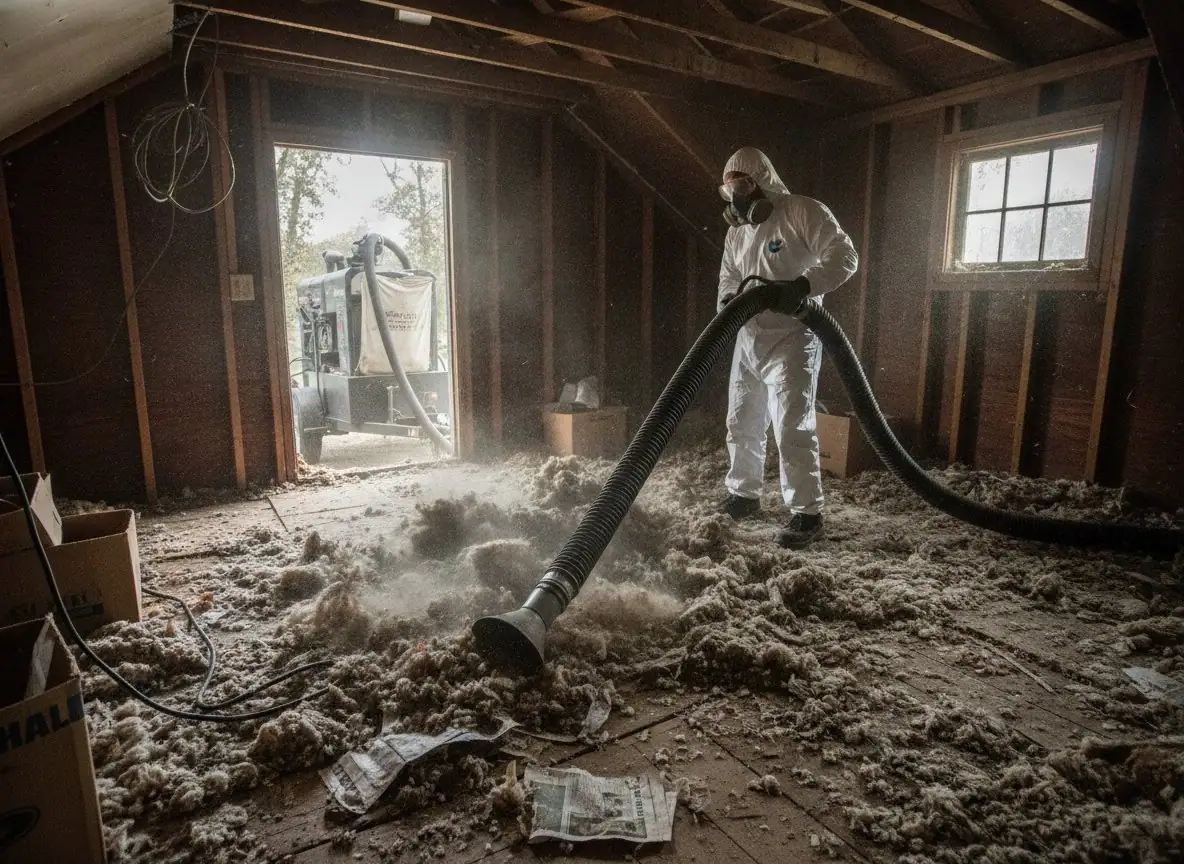
If existing insulation is deteriorated, pest-infested, or moisture-damaged, we remove it completely using HEPA-equipped vacuum systems. This step is particularly common in Alhambra properties where original fiberglass batts from the 1960s are still in place. A
- 03
Air Sealing and Preparation (1–3 Hours)
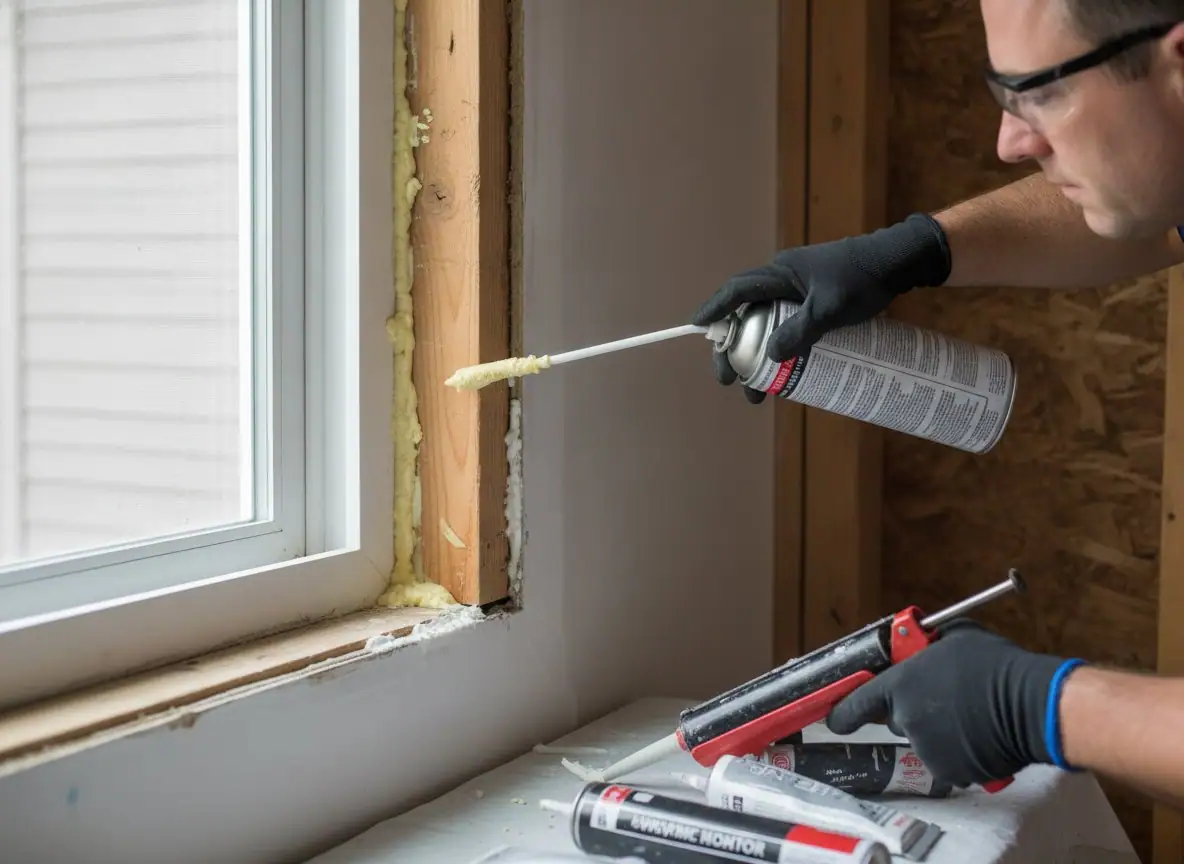
Before any batt material is installed, we seal all penetrations, gaps around plumbing and electrical, and rim joist areas using low-expansion spray foam and fire-rated caulk. This critical step prevents air bypass — the number one cause of underperforming batt
- 04
Batt Installation (4–8 Hours Depending on Scope)
Our installers cut and fit batt panels precisely to each cavity, ensuring full contact with framing edges and zero compression. For Alhambra’s Spanish Colonial and Craftsman-style homes with non-standard bay widths, custom-cut batts are used to prevent gaps. A
- 05
Quality Inspection and Thermal Verification (1 Hour)
After installation, we conduct a final thermal camera scan to verify complete coverage with no cold or hot spots. We document achieved R-values and provide a written installation report for your records — useful for Title 24 compliance documentation and future
- 06
Cleanup and Final Walkthrough (30–60 Minutes)
We restore all access panels, remove all debris, and walk you through the completed installation. We also provide care instructions specific to Alhambra’s climate conditions, including guidance on managing attic ventilation during Santa Ana wind events.
Batt Insulation Methods and Approaches
Standard Fiberglass Batt Installation
The most widely used method, fiberglass batts are available in R-11, R-13, R-15, R-19, R-21, R-25, R-30, and R-38 configurations. In Alhambra’s standard 2×4 framed walls, R-15 high-density fiberglass is our most recommended product, achieving the maximum thermal performance within the available cavity depth. Cost-effective and fast to install, this method is ideal for attic retrofits, new wall framing, and accessible crawl space floors. Explore our dedicated attic insulation services
Mineral Wool (Rockwool) Batt Installation
Mineral wool batts are our recommended choice for Alhambra properties with fire safety concerns, sound attenuation needs (particularly along the Freeway 10 corridor and Garfield Avenue), or moisture-prone environments. Mineral wool is naturally hydrophobic, dimensionally stable, and non-combustible — qualities that address the specific conditions found in Alhambra’s denser multi-family residential zones.
High-Density Batt (Friction-Fit) Method
For retrofit installations in finished walls where cavity access is limited, high-density friction-fit batts are inserted through strategically cut access points and expand to fill the cavity without mechanical fastening. This method minimizes drywall disruption — an important consideration for Alhambra homeowners with historic plaster wall finishes.
Combination Batt and Spray Foam Method
For maximum thermal performance in Alhambra’s most energy-inefficient properties, we combine batt insulation with a 1-inch closed-cell spray foam layer applied to the sheathing before batt installation. This hybrid approach achieves effective R-values of R-20 or higher in standard 2×4 wall cavities. Learn more about our spray foam insulation services
Batt Insulation Cost in Alhambra, CA
Understanding the cost of batt insulation in Alhambra helps you plan your project accurately. Pricing varies based on project scope, material choice, and site-specific conditions.
Typical Cost Ranges
- Attic Batt Insulation (per sq. ft.): $1.50 to $3.00 per square foot installed, including removal of existing degraded material. A typical 1,200 sq. ft. Alhambra attic runs $1,800 to $3,600 for a complete replacement.
- Wall Cavity Batt Insulation: $2.00 to $4.50 per square foot for open-wall installations during renovation; $3.50 to $6.00 per square foot for retrofit installations through existing finished walls.
- Crawl Space Floor Insulation: $1.75 to $3.25 per square foot. Most Alhambra bungalows with 800–1,000 sq. ft. crawl space floors see project totals of $1,400 to $3,250. See our dedicated crawl space insulation page
- Mineral Wool Upgrade: Add $0.50 to $1.00 per square foot over standard fiberglass pricing.
Read moreShow less
Alhambra-Specific Cost Factors
Several local factors influence final pricing in Alhambra. Homes with limited attic access — common in Alhambra’s low-pitch Spanish Colonial roof designs — require additional labor for material maneuvering. Properties along the I-10 and SR-710 corridors may require upgraded mineral wool products for noise reduction, adding 15% to 20% to material costs. Los Angeles County permit fees for insulation projects over $500 in value typically add $150 to $300 to total project costs.
Available Incentives
Southern California Edison’s Energy Efficiency Programs and the federal Inflation Reduction Act 25C tax credit (up to $1,200 annually for insulation improvements) can reduce net project costs by 10% to 30%. We assist all Alhambra clients in identifying applicable rebates before project commencement.
Neighborhoods We Serve in Alhambra, CA
North Alhambra
Bordered by Mission Road and the San Bernardino Freeway, North Alhambra contains some of the city’s oldest housing stock, with many homes dating to the 1920s and 1930s. These Craftsman bungalows and California ranch-style homes frequently have uninsulated 2×4 wall cavities and deteriorated blown-in cellulose attic insulation from early retrofits. Batt replacement combined with air sealing is the most common service need in this area.
Midwick Tract
Developed primarily between 1945 and 1960, Midwick Tract’s post-war tract homes were built during an era when fiberglass batt installation was not standard practice. Many properties retain original uninsulated wall cavities. The neighborhood’s larger lot sizes and detached garages also present opportunities for garage ceiling batt insulation to reduce heat transfer into adjacent living spaces.
Alhambra Park Neighborhood
The blocks surrounding Almansor Park and Alhambra Park feature a mix of 1950s duplexes and single-family homes with shallow pitched roofs — a configuration that limits attic depth and makes R-38 batt installation more technically demanding. Our team has extensive experience adapting batt configurations for these low-clearance attic environments.
Downtown Alhambra Corridor
Mixed-use buildings along Main Street and Garfield Avenue frequently require commercial-grade mineral wool batt insulation for both thermal and acoustic performance, particularly in party walls between residential and retail units. Some downtown properties benefit from supplemental blow-in insulation in hard-to-reach cavities
Batt Insulation Maintenance Tips for Alhambra Homeowners
- Inspect attic insulation annually — ideally each October before winter, looking for displaced panels, moisture staining, or evidence of rodent activity. Alhambra’s mild winters can encourage year-round pest pressure.
- Maintain attic ventilation — ensure soffit vents remain unobstructed by batt material. During Santa Ana wind events, temporarily closing ridge vents can prevent debris infiltration into attic insulation.
- Check crawl space vapor barriers every two years for tears or displacement, especially following wet winters. Alhambra received above-average rainfall during the 2022–2023 El Niño season (over 24 inches), which stressed many crawl space moisture control systems.
- Avoid compressing stored items against attic batts — compression reduces R-value proportionally. Maintain a minimum 2-inch clearance between stored items and insulation surfaces.
- Seal any new penetrations immediately after HVAC servicing, plumbing repairs, or electrical work that requires opening wall or ceiling cavities.
- Monitor utility bills month-over-month. A sudden 15% to 20% increase in summer cooling costs often indicates insulation displacement or failure.
- Schedule a professional re-inspection every 10 years or following any significant seismic activity, water intrusion event, or major renovation.
Why Choose Alhambra Insulation Masters
At Alhambra Insulation Masters, we are a locally focused insulation contractor with deep familiarity with Alhambra’s unique housing landscape, regulatory environment, and climate challenges. Our team works exclusively in the San Gabriel Valley, which means we understand the specific construction methods, material types, and failure patterns common to Alhambra’s neighborhoods better than any national chain or out-of-area contractor.
We provide honest, transparent assessments — we will never recommend batt insulation removal and replacement if your existing insulation is serviceable. Our thermal imaging inspections give you objective data, not sales pressure.
Every project we complete is documented with before-and-after thermal imaging reports, achieved R-value records, and compliance documentation compatible with Los Angeles County permit requirements and California Title 24 energy code standards.
Read moreShow less
We are proud to serve Alhambra homeowners, landlords, and business owners with the same community-focused commitment that this city deserves. Call us at (626) 790-7419 and speak directly with a local insulation expert today.
Ask about our crawl space encapsulation services for comprehensive moisture and thermal control
FAQ
Frequently Asked Questions About Batt Insulation in Alhambra, CA
How much does batt insulation cost in Alhambra, CA?
In Alhambra, batt insulation installation typically costs between $1.50 and $4.50 per square foot depending on location (attic, wall, or crawl space), material type (fiberglass vs. mineral wool), and whether old insulation removal is required. A full attic insulation replacement for a typical 1,200 sq. ft. Alhambra home runs $1,800 to $3,600. Southern California Edison rebates and federal 25C tax credits can offset 10% to 30% of your total cost.
How long does batt insulation installation take in Alhambra?
Most standard batt insulation projects in Alhambra are completed in one to two days. A straightforward attic batt replacement on a 1,500 sq. ft. home typically takes six to eight hours including removal and air sealing. More complex projects involving wall cavity retrofits or combination batt-and-spray-foam systems may require two full days.
Does my Alhambra home need a permit for batt insulation installation?
In most cases, batt insulation installation in Alhambra does not require a building permit when performed as a standalone improvement. However, Los Angeles County requires permit documentation for insulation work performed as part of a larger renovation project or when work involves electrical systems. Our team handles all permit inquiries on your behalf.
What R-value do I need for my Alhambra home?
For Alhambra’s Climate Zone 3 designation, the California Energy Commission recommends R-13 to R-15 for 2×4 framed exterior walls, R-19 to R-21 for 2×6 walls, R-30 to R-38 for attics, and R-19 for floors over unconditioned crawl spaces. Homes near the I-10 freeway corridor may benefit from upgrading to R-21 mineral wool in walls for combined thermal and acoustic performance.
How do I know if my existing batt insulation in Alhambra needs replacement?
Key signs include visible sagging or displacement, dark gray streaking on fiberglass fibers (indicating air bypass), a musty odor suggesting moisture damage, or insulation that appears flat and compressed rather than full and fluffy. If your home was built before 1978 and has never had insulation upgraded, replacement is almost certainly warranted. Our free thermal imaging assessment provides objective data.
Is batt insulation or spray foam better for Alhambra homes?
Both products serve important roles. Batt insulation offers excellent cost-effectiveness, straightforward installation in standard framing cavities, and is well-suited to Alhambra’s moderate Climate Zone 3 conditions. Spray foam offers superior air sealing and higher R-values per inch, making it preferable in areas with extreme air infiltration or non-standard cavity dimensions. Many Alhambra homes benefit from a hybrid approach combining both. Learn more about spray foam insulation options
Can batt insulation help reduce noise in my Alhambra home?
Yes. Mineral wool batt insulation is particularly effective for sound attenuation. Homes near the I-10 San Bernardino Freeway, SR-710, or Garfield Avenue’s commercial traffic can achieve measurable noise reductions of 15 to 25 decibels by installing 3.5-inch mineral wool batts in exterior walls and interior partition walls. This is one of the most cost-effective noise mitigation strategies available to Alhambra homeowners.
Does batt insulation help with Alhambra’s summer heat specifically?
Absolutely. During Alhambra’s peak summer heat events — which can push outdoor temperatures above 100°F in the urban heat island zones near Atlantic Boulevard and Valley Boulevard — attic temperatures can exceed 150°F in uninsulated or under-insulated attics. Properly installed R-38 batt insulation in the attic floor can reduce heat transfer into living spaces by 60% to 70%, keeping indoor temperatures significantly more stable and reducing HVAC runtime by 25% to 40%.
Get Your Free Batt Insulation Assessment in Alhambra Today
Don’t let inadequate insulation drive up your energy bills or compromise your comfort through another Alhambra summer. Alhambra Insulation Masters is ready to provide a thorough, no-obligation thermal inspection of your home or business — using professional-grade equipment to show you exactly where your insulation is failing and what it will cost to fix it.
We serve homeowners, landlords, and commercial property managers throughout Alhambra and the surrounding San Gabriel Valley. Whether you need a complete attic batt replacement, a wall cavity retrofit, or a crawl space insulation upgrade, our local team is ready to help.
Call us now at (626) 790-7419 to speak with an Alhambra insulation specialist and schedule your free assessment. Comfortable, energy-efficient living starts with one phone call.
Get in touch
Find insulation help near you
Request a free estimate online or give us a call — our team will follow up quickly.
- Call us(626) 790-7419
- Visit901 S Fremont Ave, Alhambra, CA 91803
- HoursMon-Sun 07:00-19:00