Cellulose Insulation in Alhambra, CA
Energy-Saving Cellulose Insulation for Alhambra, CA Homes — Licensed & Insured
Get expert cellulose insulation in Alhambra, CA. Alhambra Insulation Masters installs attic & wall cellulose to R-38. Call (626) 790-7419 for a free estimate.
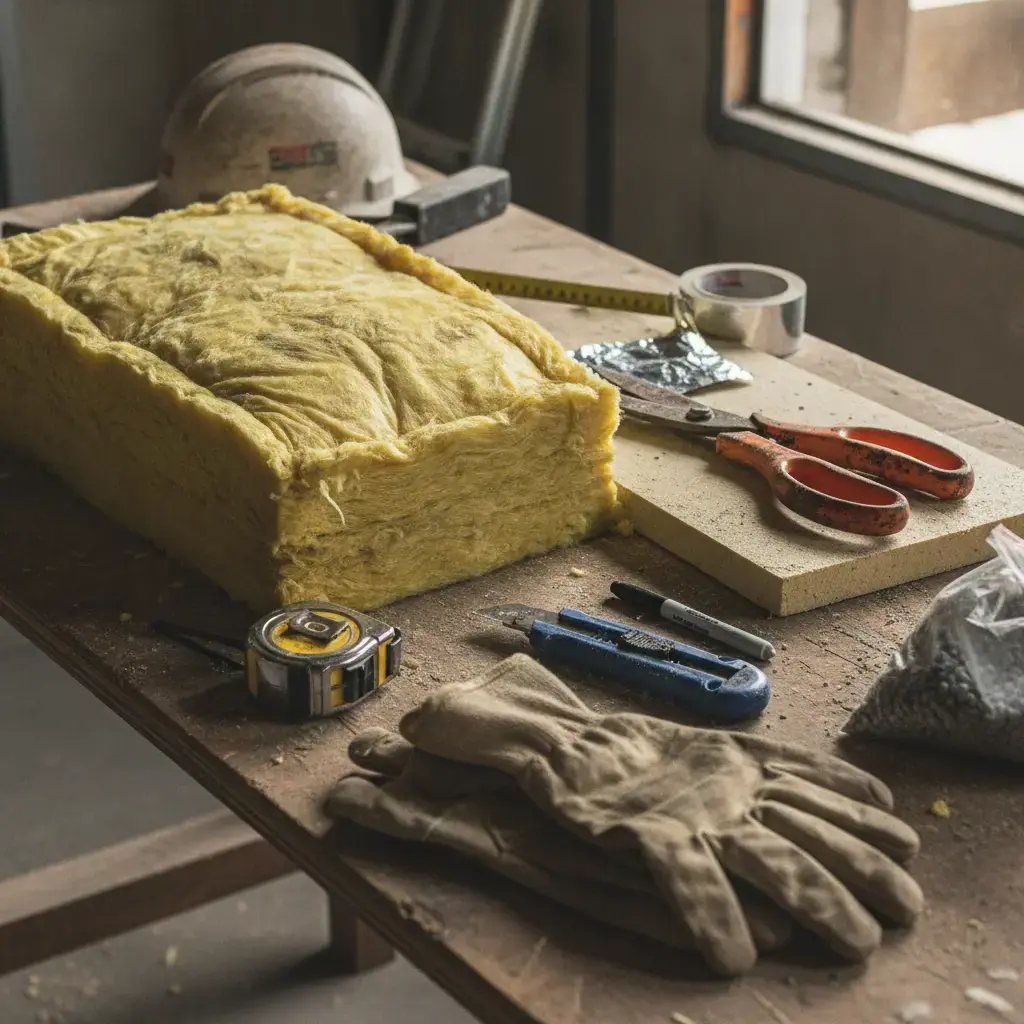
Cellulose insulation is a dense, fiber-based thermal and acoustic barrier manufactured primarily from recycled newsprint and paper products, treated with fire-retardant borate compounds to meet modern building codes. When professionally installed, it fills cavities, attic floors, and wall assemblies with a seamless blanket of material that resists heat transfer far more effectively than older fiberglass batts.
In Alhambra, CA, where the San Gabriel Valley’s inland heat amplifies summer cooling costs and decades-old craftsman bungalows and mid-century tract homes leak conditioned air at alarming rates, cellulose is an especially well-matched solution. The material’s high density — typically 3.5 lb/ft³ for dense-pack applications — blocks the radiant heat that bakes through Alhambra’s flat and low-pitched tile roofs during triple-digit heat events.
Read moreShow less
Alhambra Insulation Masters brings focused local knowledge to every project. Our crews understand the specific wall depths, roof configurations, and city permit requirements that apply to Alhambra properties. Call us at (626) 790-7419 to schedule a no-obligation assessment.
Understanding Cellulose Insulation
Cellulose insulation has a longer history than most homeowners realize. Loose-fill cellulose was first used in North American construction during the early 1900s, when builders in cold-climate states began packing shredded newspaper into wall cavities to reduce winter heat loss. By the 1970s energy crisis, the material surged in popularity nationwide as federal energy conservation initiatives pushed for higher R-values in residential buildings. Today, cellulose accounts for a substantial share of the loose-fill insulation market and carries recognition from the Environmental Protection Agency’s Energy Star program.
Modern cellulose is roughly 82–85% post-consumer recycled content by weight, making it one of the most environmentally responsible insulation choices available. Borate salts — the same compounds used in pest control — are blended into the fiber to provide Class 1 fire resistance ratings and to deter insects and rodents from nesting in treated material. This is a meaningful benefit in the San Gabriel Valley, where roof rats and Argentine ants routinely infiltrate attic spaces.
Read moreShow less
The material achieves an R-value of approximately R-3.2 to R-3.8 per inch when blown loose into attic floors, and R-3.5 to R-4.0 per inch when dense-packed into enclosed wall cavities. In Alhambra, Title 24 of the California Building Code currently requires attic insulation to achieve a minimum of R-38 for most residential re-insulation projects, which translates to roughly 10–12 inches of blown cellulose depth — an achievable and cost-effective target.
Alhambra’s housing stock spans several distinct eras. Pre-war craftsman bungalows built between 1910 and 1940 along streets like South Almansor and West Hellman Avenue typically feature 2×4 stud walls with no original insulation. Post-war tract homes from the 1950s and 1960s in neighborhoods like Midwick Tract may have degraded fiberglass batts that have settled and lost loft. Multi-family apartment buildings constructed in the 1970s frequently have compressed or moisture-damaged batts that no longer meet current performance standards. Cellulose addresses each scenario through different installation techniques tailored to the structure.
Beyond thermal performance, cellulose provides meaningful acoustic dampening. Homes near the 10 Freeway corridor or Atlantic Boulevard’s commercial strip benefit from the material’s sound-absorption qualities, which can reduce interior noise transmission by measurable decibels compared to open-cell foam or fiberglass alternatives. Compare cellulose to spray foam insulation
Signs You Need Cellulose Insulation in Alhambra
Energy and Comfort Indicators
- Monthly Southern California Edison bills that spike above $200 during summer months for a single-family home under 2,000 sq ft
- Rooms on the top floor or directly beneath the roofline that remain 5°F or more warmer than the rest of the home
- Air conditioning cycling on and off more than twice per hour during afternoon peak heat periods
- Noticeable drafts near outlets, light switches, or baseboard areas on exterior walls
Visual and Physical Symptoms
- Visible attic insulation depth below 10 inches when measured with a ruler through the attic hatch
- Fiberglass batts that appear yellowed, flattened, or clumped — signs of age and moisture damage
- Water stains on attic sheathing or ceiling drywall following winter rain events
- Evidence of rodent tunneling or nesting material mixed into existing attic insulation
Urgency Indicators
- Attic insulation that smells musty or shows visible mold growth — requires immediate removal before replacement
- A home built before 1978 with no record of insulation upgrades — likely contains no wall insulation and substandard attic coverage
- Recent roof replacement that disrupted or removed existing attic insulation during the project
Free, no-obligation estimates
Talk to Alhambra Insulation Masters
Tell us what you need and we’ll take it from there.
Our process
Our Cellulose Insulation Installation Process
- 01
Initial Assessment and Energy Audit (1–2 Hours)
Our technician arrives at your Alhambra property and performs a visual inspection of all insulation areas — attic, walls, and crawl space — along with a basic blower door assessment to identify major air leakage points. We document existing R-values, note any
- 02
Permit Coordination (1–3 Business Days)
Re-insulation projects in Alhambra that alter more than a threshold square footage may require a building permit from the City of Alhambra Building and Safety Division, located at 111 South First Street. We manage the permit application process on your behalf,
- 03
Attic Air Sealing (2–4 Hours)
Before any cellulose is blown, our crew seals top plates, recessed light fixture penetrations, attic hatch frames, and plumbing or electrical chase openings with fire-rated caulk and spray foam. This air sealing step is critical in Alhambra’s older homes, wher
- 04
Existing Insulation Assessment and Removal if Needed (2–6 Hours)
If existing insulation is contaminated, moldy, or rodent-damaged, we remove it using a high-capacity HEPA-filtered vacuum system before proceeding. If existing material is clean and structurally sound, we may install cellulose directly over it to bring the ass
- 05
Cellulose Installation (2–5 Hours Depending on Square Footage)
Our truck-mounted blowing machine delivers cellulose through a flexible hose to the attic floor or into wall cavities. Attic applications are blown to a settled depth calibrated to achieve the specified R-value, verified with depth rulers installed at multiple
- 06
Quality Verification and Cleanup (1–2 Hours)
After installation, a lead technician measures installed depth at a minimum of ten locations across the attic floor and photographs the completed work. Attic hatches are resealed, ventilation baffles are confirmed unobstructed, and the work area is cleaned. A
- 07
Final Inspection (Scheduled with City as Needed)
For permitted projects, we coordinate the final inspection appointment with the City of Alhambra Building and Safety Division and ensure a technician is on-site to accompany the inspector.
Cellulose Insulation Methods and Approaches
Loose-Fill Attic Application
The most common method in Alhambra, loose-fill cellulose is blown onto the attic floor between and over existing joists. Material settles to a stable depth within 24–72 hours. This method is ideal for open attic floors with accessible areas and is the fastest way to bring an under-insulated home to R-38 compliance. It is particularly well-suited to Alhambra’s abundant pre-war craftsman and post-war ranch homes, which typically have accessible gable-vented attics.
Dense-Pack Wall Insulation
Dense-pack cellulose is injected into enclosed wall cavities through small-diameter holes drilled into sheathing or drywall at each stud bay. The material is blown at high pressure to achieve a density of 3.5 lb/ft³ or greater, which prevents future settling and provides meaningful air infiltration resistance. This method is the preferred approach for Alhambra’s uninsulated craftsman-era homes where full wall renovation is not planned. Explore blow-in insulation techniques
Stabilized or Spray-Applied Cellulose
In new construction or during roof-open renovation projects, cellulose mixed with a small amount of water and adhesive binder can be spray-applied to open roof rafters or sloped ceiling assemblies. This approach creates a monolithic layer with no settling and is occasionally used in Alhambra remodeling projects where the roof sheathing is temporarily removed for repairs following storm or termite damage.
Hybrid Cellulose Over Existing Insulation
For homes with existing but insufficient attic insulation that is clean and dry, we install a layer of loose-fill cellulose directly over the existing material. This hybrid approach avoids removal costs while achieving target R-values. It is frequently used in Alhambra’s 1970s-era condominiums and apartment buildings, where partial insulation was originally installed but has settled below code-minimum performance levels.
Cellulose Insulation Cost in Alhambra, CA
Understanding cellulose insulation cost in Alhambra, CA helps homeowners budget accurately and compare contractor proposals with confidence. Pricing depends on several specific variables.
Typical Price Ranges
- Attic loose-fill cellulose (1,000–1,500 sq ft attic floor): $1,200 – $2,400 installed, targeting R-38 compliance
- Attic loose-fill cellulose (1,500–2,500 sq ft attic floor): $2,200 – $4,000 installed
- Dense-pack wall insulation per linear foot of wall: $3.50 – $6.00 per square foot of wall area
- Full home wall and attic package (1,500 sq ft home): $4,500 – $9,000 depending on access complexity
- Combined insulation removal and replacement: Add $1.00 – $1.75 per square foot to base installation cost
Read moreShow less
Factors That Affect Alhambra Cellulose Insulation Cost
- Attic access difficulty: Alhambra craftsman bungalows with low-pitched roofs and shallow attic heights under 30 inches require additional labor time and specialized equipment
- Existing insulation condition: Rodent-contaminated or mold-affected insulation requires removal and disposal at added cost before installation
- Permit fees: City of Alhambra building permits for insulation work typically range from $150 to $350 depending on project scope
- Current material costs: Cellulose material pricing fluctuates with recycled paper commodity markets; 2024 pricing trends are approximately $0.60 – $0.90 per board foot of material cost
Rebates and Incentives
Southern California Edison’s Energy Savings Assistance Program and the federal 25C tax credit (up to 30% of insulation installation cost, capped at $1,200 per year) can substantially reduce out-of-pocket costs for qualifying Alhambra homeowners. Ask our team about current eligibility requirements when you call for your estimate.
Alhambra Neighborhoods We Serve
Midwick Tract
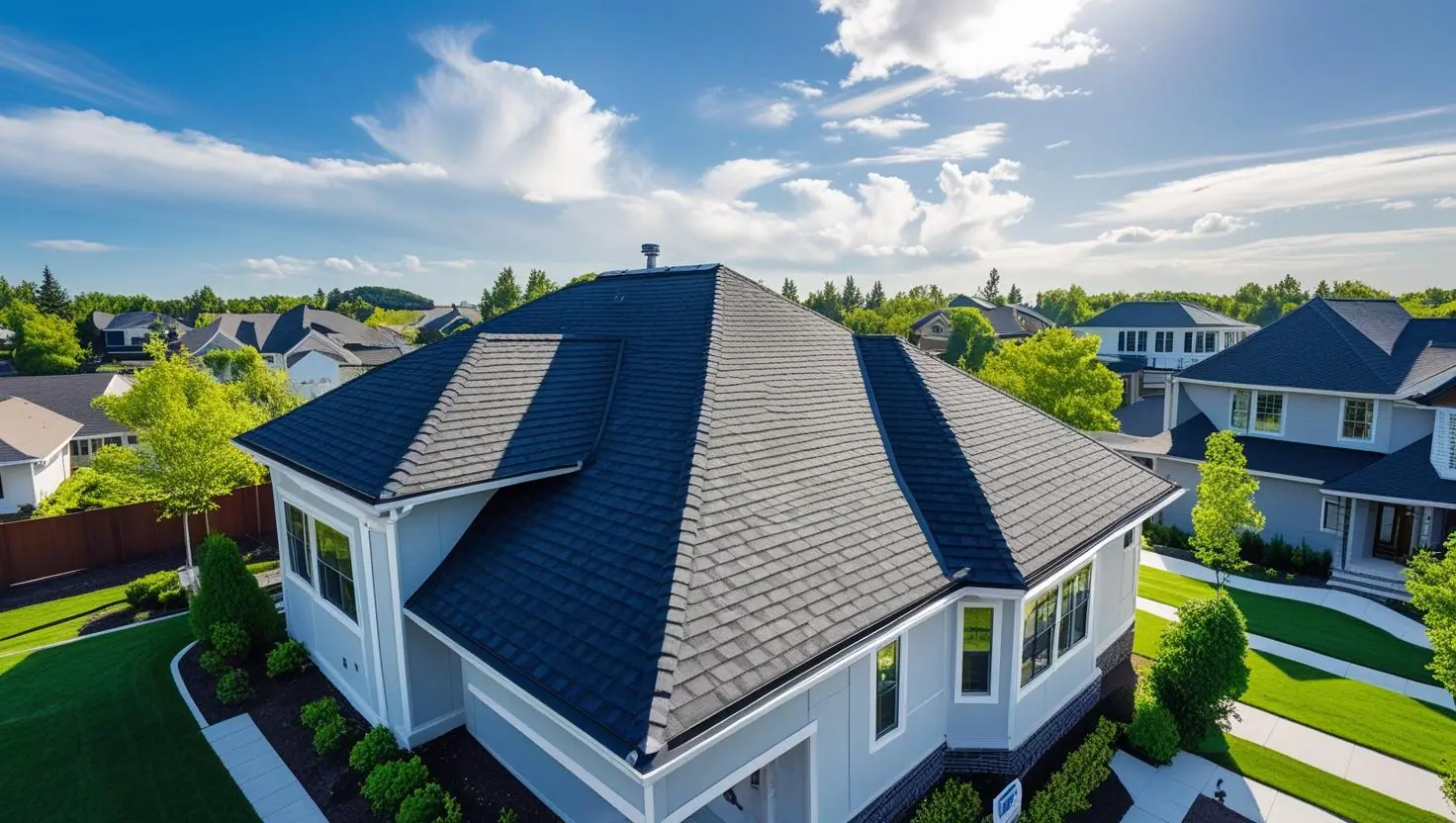
Developed primarily in the 1940s and 1950s, Midwick Tract features single-family homes with low-pitched roofs and minimal original insulation. Many properties have 2×4 exterior walls built before California adopted mandatory insulation requirements. Dense-pack cellulose wall installation and attic upgrades to R-38 are the most common projects we complete in this neighborhood.
North Alhambra / Almansor Park Area
The streets surrounding Almansor Park include a mix of craftsman bungalows from the 1920s and 1930s and post-war additions. These homes frequently have partial wall insulation from previous renovation attempts, creating uneven thermal coverage. Our hybrid and dense-pack approaches address these inconsistent starting conditions effectively.
South Alhambra / Valley Boulevard Corridor
Residential streets south of Valley Boulevard include a high concentration of multi-family duplexes and small apartment buildings constructed in the 1960s and 1970s. Shared wall assemblies and owner-occupied units adjacent to rentals present specific coordination challenges that our team manages efficiently.
Downtown Alhambra / Main Street Adjacent
Mixed-use residential buildings and older single-family homes near the Main Street and Garfield Avenue commercial core face elevated acoustic challenges from street traffic. Cellulose insulation in wall and attic assemblies provides measurable noise reduction alongside thermal benefits in this area. Explore attic insulation for urban homes
Cellulose Insulation Maintenance Tips for Alhambra Homeowners
- Inspect attic insulation depth annually: Use a ruler or depth gauge through the attic hatch each fall, before the rainy season. Target a minimum of 10–12 inches of settled cellulose for R-38 coverage.
- Check attic ventilation after each Santa Ana wind event: High-velocity winds can displace loose-fill cellulose near ridge vents or gable openings. Confirm that baffles along the eaves remain unobstructed after major wind events.
- Monitor for roof leaks after winter storms: Even a small roof penetration can allow water to saturate cellulose, causing compaction and mold growth. Address roof repairs immediately and inspect affected insulation areas within 30 days.
- Keep attic hatch weatherstripped and insulated: A poorly sealed attic hatch is the single most common energy leak in Alhambra homes. Replace foam weatherstripping every 3–5 years.
- Inspect crawl space vapor barriers each spring: Post-rainy-season inspections catch moisture intrusion before it migrates upward into floor insulation assemblies. Learn about crawl space insulation maintenance
- Keep pest entry points sealed: Cellulose is borate-treated for pest resistance, but entry point sealing at soffits, gable vents, and roof penetrations remains essential to prevent rodent habitat from forming above the insulation layer.
- Avoid storing items directly on attic insulation: Compressing cellulose with stored boxes or equipment reduces its effective R-value. Use raised attic flooring panels in storage areas.
Why Choose Alhambra Insulation Masters
Alhambra Insulation Masters focuses exclusively on the insulation needs of residential and commercial property owners in the San Gabriel Valley. Unlike regional generalist contractors who rotate crews across dozens of service categories, our technicians work in Alhambra and surrounding communities every week. We understand the specific building types, permit requirements, and climate conditions that affect insulation performance in this area — not as an abstraction, but from direct daily field experience.
Our services cover the full scope of insulation work: professional insulation installation, spray foam insulation, attic insulation, blow-in insulation, crawl space encapsulation, crawl space insulation, insulation removal, and insulation replacement. This integrated capability means we can handle complex projects — such as removing rodent-damaged material, air-sealing penetrations, and installing new cellulose — without subcontracting critical portions of the work.
Read moreShow less
We provide written, itemized estimates before any work begins and document completed R-values with photographs for every project. Call (626) 790-7419 to speak with a knowledgeable team member about your property’s insulation needs.
FAQ
Frequently Asked Questions About Cellulose Insulation in Alhambra, CA
How much does cellulose insulation cost in Alhambra, CA?
Most single-family home attic projects in Alhambra range from $1,200 to $4,000 installed, depending on attic square footage, starting depth, and whether existing insulation requires removal. Dense-pack wall insulation adds $3.50 to $6.00 per square foot of wall area. Southern California Edison rebates and the federal 25C tax credit can reduce net out-of-pocket cost by 20–40% for qualifying homeowners.
How long does cellulose insulation installation take in Alhambra?
A standard attic loose-fill project in a 1,500 sq ft Alhambra single-family home is typically completed in one day, including air sealing and cleanup. Dense-pack wall insulation for an entire home may take two to three days. Permit coordination adds one to three business days before work begins on projects that require City of Alhambra Building and Safety approval.
Is cellulose insulation safe for homes with children and pets in Alhambra?
Yes. The borate compounds used to treat cellulose are the same low-toxicity minerals found in common household products like contact lens solution. Once installed and settled in an attic or wall cavity, cellulose does not off-gas volatile organic compounds, which is an advantage compared to some spray foam formulations. The material is safe for occupied homes within hours of installation.
Does cellulose insulation attract pests in Alhambra’s climate?
Properly treated cellulose is pest-resistant by design. The borate treatment deters insects including termites and discourages rodents from nesting in the material. However, cellulose does not function as a pest exclusion barrier — physical entry points at soffits, gable vents, and roof penetrations must be sealed separately to prevent roof rats, which are prevalent throughout the San Gabriel Valley, from entering attic spaces.
Can cellulose insulation be installed in Alhambra’s older craftsman homes with plaster walls?
Yes. Dense-pack cellulose is specifically suited to retrofit insulation of existing walls without requiring demolition of interior plaster or exterior stucco. Our technicians drill small access holes — typically 2 inches in diameter — at each stud bay, inject cellulose to full density, and patch the holes. The finished appearance is virtually indistinguishable from the original wall surface after patching and painting.
Does Alhambra require a permit for cellulose insulation installation?
Permit requirements depend on project scope. Attic top-up projects that add insulation without other work often proceed without a permit. Projects involving dense-pack wall insulation, insulation removal, or combined air-sealing work may require a permit from the City of Alhambra Building and Safety Division at 111 South First Street. We assess permit requirements during the initial consultation and manage applications on your behalf.
How does cellulose insulation compare to fiberglass in Alhambra’s climate?
Cellulose outperforms fiberglass batts in several ways relevant to Alhambra’s conditions. It achieves higher installed density, which reduces air infiltration more effectively than unfaced fiberglass batts. Its recycled fiber composition has a higher thermal mass than glass fiber, which helps buffer against the extreme daily temperature swings common during Alhambra’s summer months. Cellulose also maintains performance in humid conditions better than fiberglass, which loses effective R-value when moisture infiltrates the fiber matrix. Compare blow-in insulation options
How long does cellulose insulation last in an Alhambra home?
Cellulose installed in a properly air-sealed and ventilated attic has a functional lifespan of 20 to 30 years or more under typical Alhambra conditions. The primary threats to longevity are moisture intrusion from roof leaks, which can cause compaction and mold growth, and physical disturbance from pest activity or HVAC work. Annual depth checks and prompt roof maintenance extend the material’s effective service life significantly.
Get a Free Cellulose Insulation Estimate in Alhambra, CA
If your Alhambra home is uncomfortable during summer heat events, if your Southern California Edison bills have been climbing, or if you know your home was built before California adopted mandatory insulation standards, a professional cellulose insulation assessment is the logical next step. Alhambra Insulation Masters provides written estimates at no charge, documents existing conditions with photographs, and explains exactly what installation will achieve in terms of R-value and projected energy performance.
We serve all of Alhambra’s neighborhoods, from Midwick Tract and North Alhambra to the Valley Boulevard corridor and downtown adjacent streets. Our team is familiar with the City of Alhambra’s permitting process and with the specific building types and challenges that characterize this community’s housing stock.
Call us today at (626) 790-7419 to schedule your free on-site assessment. Reach out now and take the first step toward a more comfortable, energy-efficient home.
Get in touch
Find insulation help near you
Request a free estimate online or give us a call — our team will follow up quickly.
- Call us(626) 790-7419
- Visit901 S Fremont Ave, Alhambra, CA 91803
- HoursMon-Sun 07:00-19:00